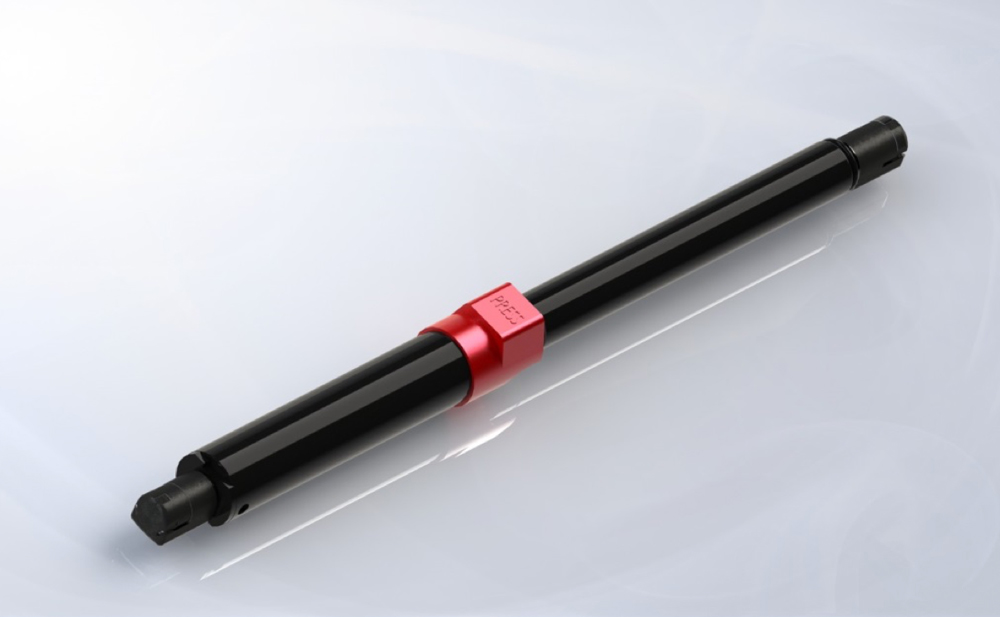
Locking Gas Springs: Precision Control in Motion – Newtone Gas Springs®
Locking gas springs provide precise positioning by combining compression force with a secure locking mechanism. These components lock a piston at any desired position using a lever or remote button, maintaining stability under load.
Types
- Elastic Locking : Offer slight flexibility when locked, absorbing shocks. Ideal for height-adjustable seating.
- Rigid Locking : Completely immobilize the piston rod, providing stable support for heavy-load applications.
Gas springs with innovative locking systems provide unprecedented control and stability across multiple industries. These mechanisms enable precise positioning with enhanced safety and flexibility.
Locking Configurations:
- Rigid Locking in Compression Type
- Secures gas spring at compressed positions
- Prevents unintended extension
- Ideal for static, load-bearing applications
- Intermediate Position Lock
- Allows precise adjustments between fully extended and compressed states
- Enables multiple angle or height settings
- Perfect for applications requiring frequent repositioning
- Rigid Locking in Extension Type
- Maintains extended position securely
- Eliminates accidental collapse risks
- Ensures stability under variable loads
These advanced locking features transform gas springs from simple support mechanisms into sophisticated positioning solutions, delivering reliability and adaptability across diverse operational environments.
Key Application Areas:
- Medical equipment (adjustable beds, wheelchairs)
- Ergonomic furniture
- Industrial machinery
- Locking Pistons for Passenger Seats
- Locking Struts Springs in Rollator
- Gas Lift for Overbed Table
- Gas Piston for Hospital Beds
- Gas Spring for Working Desk
Selection Factors: Choosing the right locking gas spring requires evaluating force requirements, stroke length, size constraints, and operating environment. Proper installation and maintenance are crucial for optimal performance and longevity.
Locking pistons enable precise motion control across industries, offering versatility and reliability in positioning critical components.
The simplified version:
- Reduces technical complexity
- Maintains core technical information
- Uses more direct language
- Preserves the key points about types, applications, and selection criteria
- Provides a more concise overview